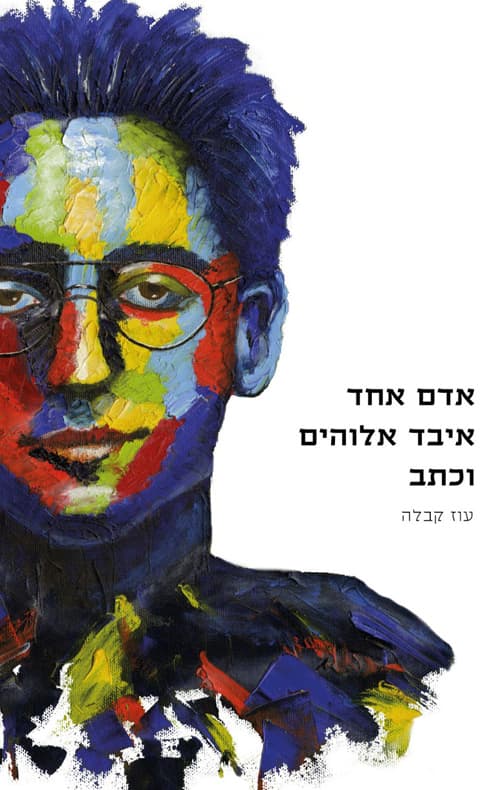
Oz Kabala was born to parents who became religiously observant, grew up in an ultra-Orthodox community, and studied in prestigious Jerusalem yeshivas. Between the walls of the study hall he discovered the power of story, and in that same place, lost his God.
The loss of faith was not an intellectual decision. It was an existential collapse: like the sudden death of someone who defined all of reality. The book was born from the void that opened afterward. Not to find answers, but to give the questions a place.
From the start, Oz decided to build the book as a story, not a random collection of poems. A man who lost God, fell into depression and total loss of meaning, and then began to see people and words anew.
One of the leading figures in Hebrew poetry advised him to soften the narrative: to be more mysterious and poetic, less legible. Oz chose not to listen. He wanted poetry to reflect the story, not replace it.